SPC Flooring
SPC Flooring for Wholesale and Interior Projects
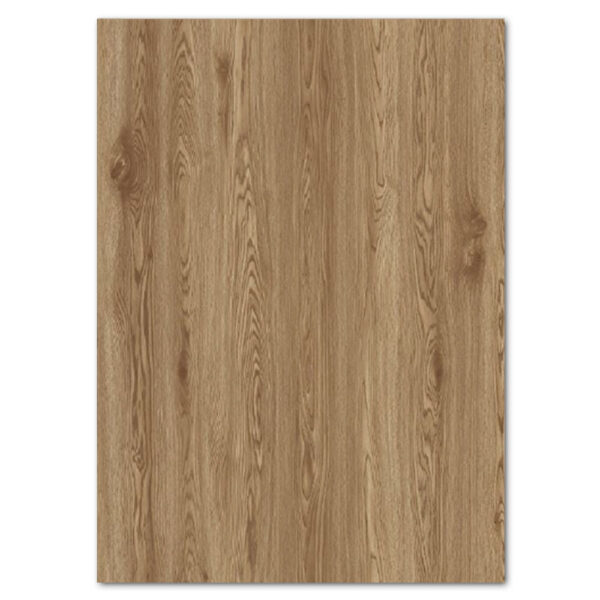
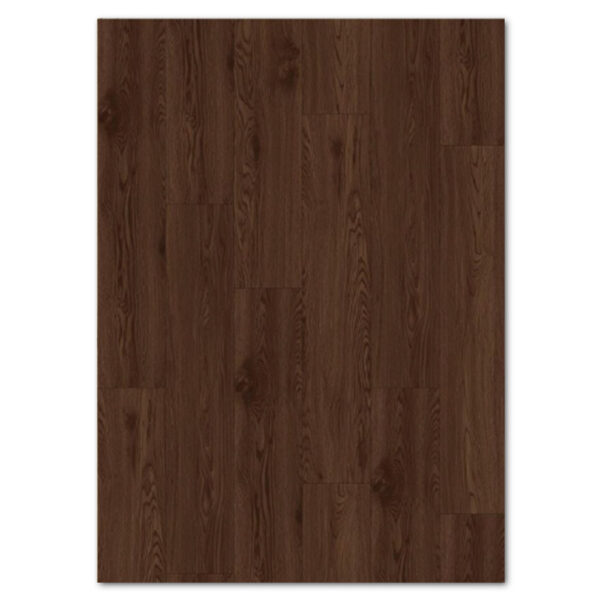
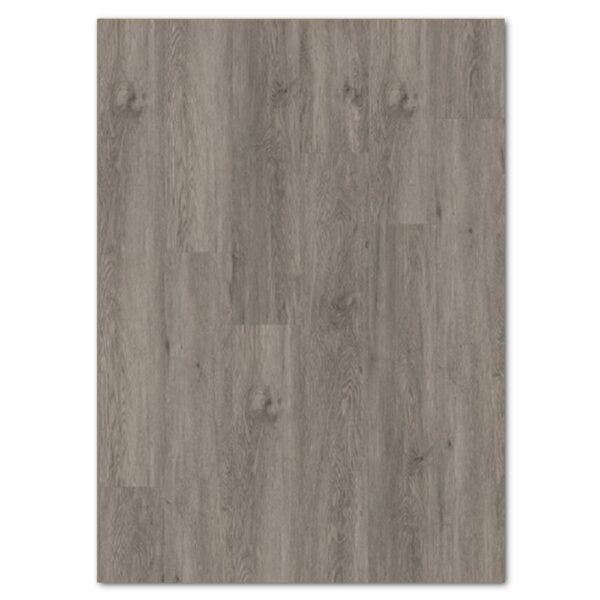
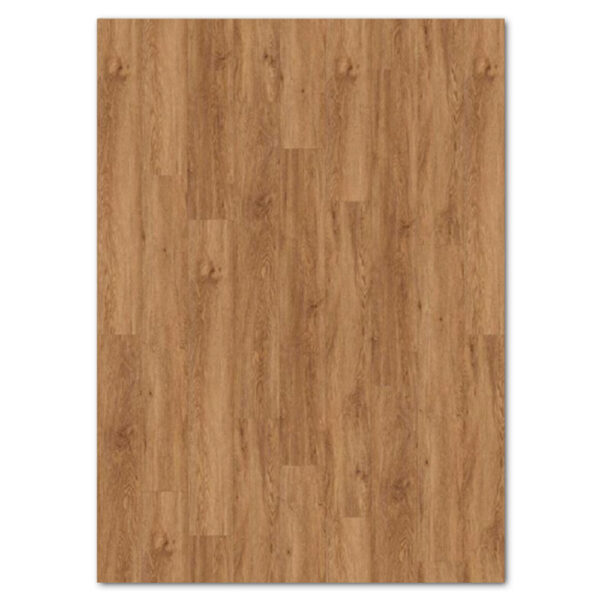
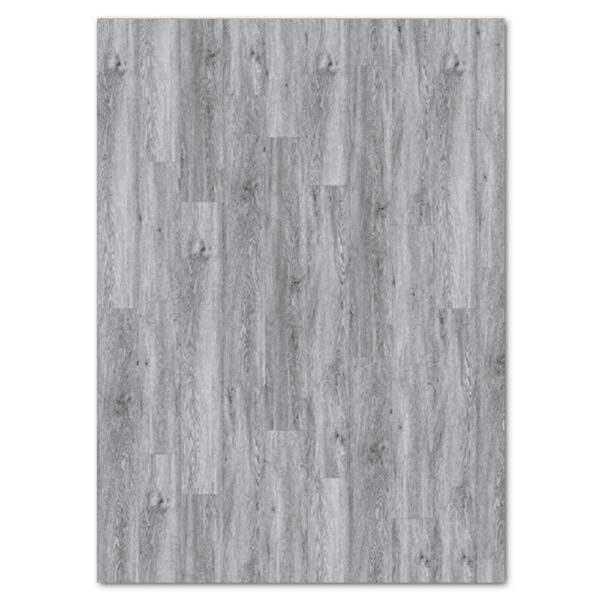
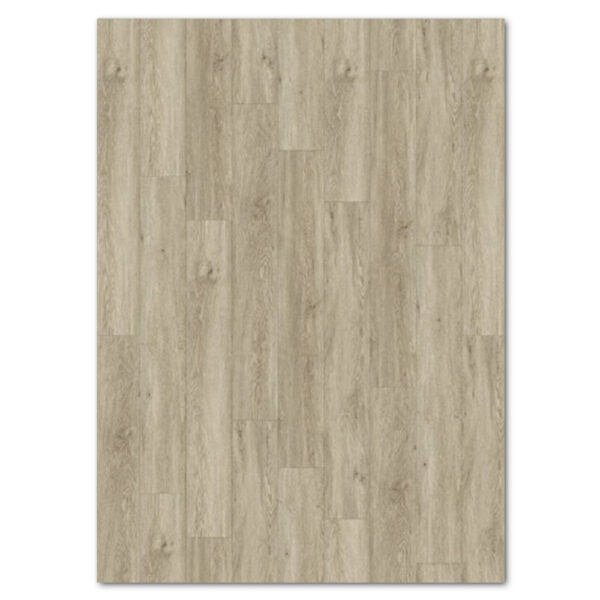
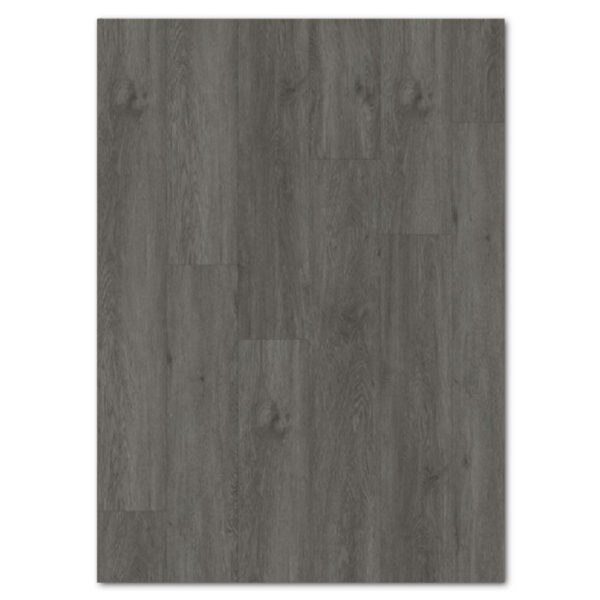
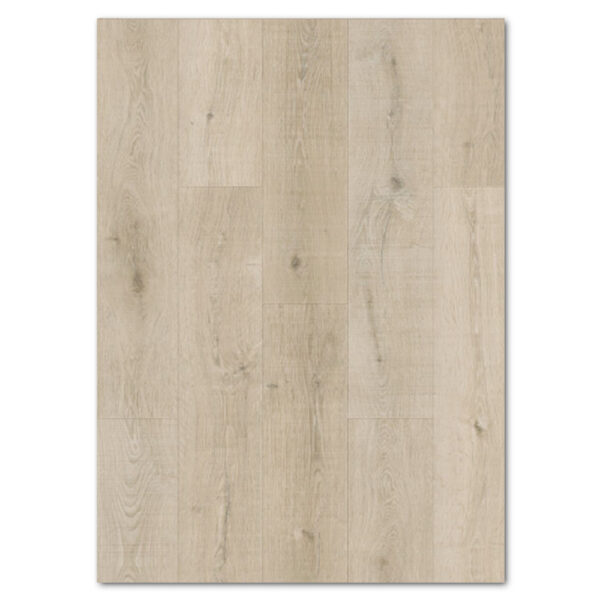
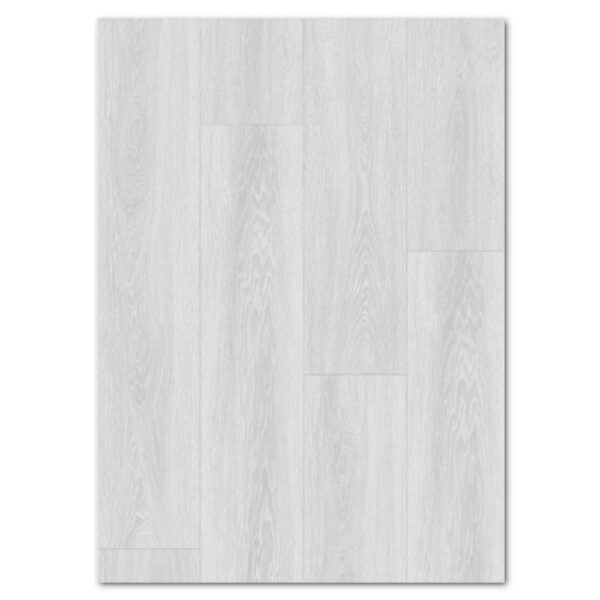
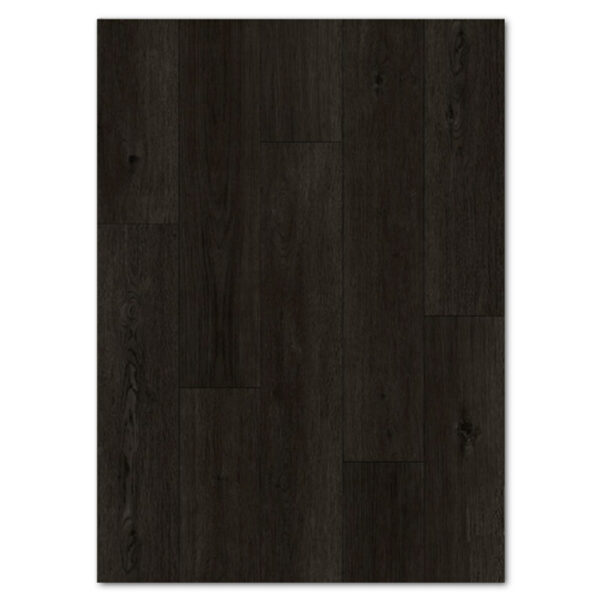
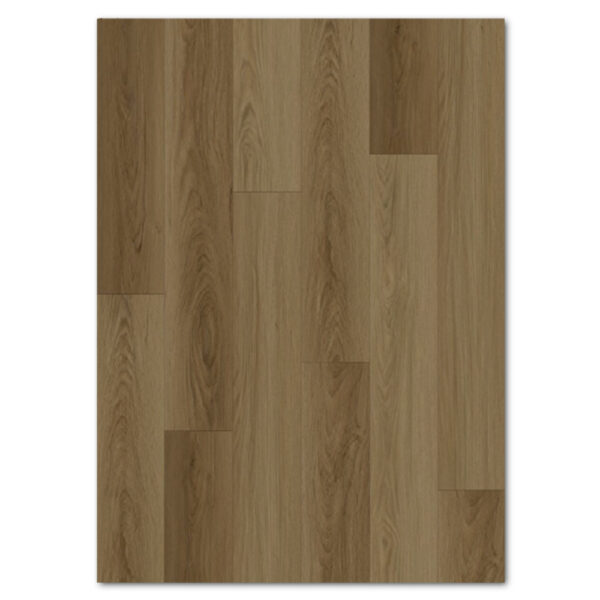
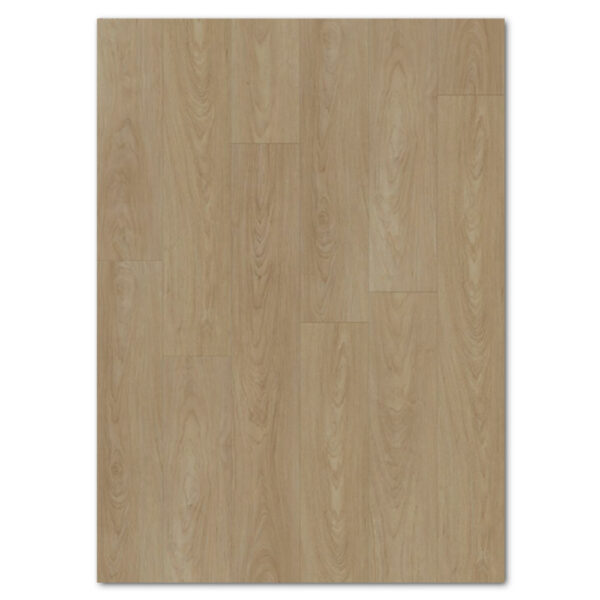
Explore LIANTUDECOR’s SPC flooring collection for importers, flooring distributors, building-material wholesalers and project contractors. Browse wood-look vinyl planks in light oak, natural brown, grey and darker tones to build a coordinated range for your customers or interior projects.
Compare designs across the collection, then shortlist products according to the intended application, required performance and purchasing budget. Send us your selected designs, estimated quantities and destination to discuss specifications, samples and wholesale pricing.
Commercial Interior
Hotels, offices, shopping malls, restaurants and public spaces.
Residential Interior
Living rooms, bedrooms, kitchens, ceilings and decorative wall projects.
Commercial Building Facades
Exterior wall cladding and architectural decoration for commercial buildings.
Residential Exterior
Villas, houses and residential exterior wall applications.
Outdoor Living Spaces
Terraces, patios, gardens, decks and outdoor leisure areas.
Select SPC Flooring for Your Sales Channel
The right flooring collection depends on how and where it will be sold or installed. A distributor building regular stock has different priorities from a contractor purchasing for a fixed project.
For Importers and Distributors
Build a focused assortment with clear differences in colour, appearance and price positioning. Keep product codes and specification records consistent so that showroom samples, quotations and repeat orders refer to the same flooring.
For Flooring Retailers and Private-Label Brands
Organise the range around customer needs rather than colour alone. Present each collection with clear application guidance, installation information and care instructions to help your sales team recommend suitable options.
For Contractors and Developers
Start with the flooring schedule, expected use and installation conditions. Confirm the proposed product against the project requirements before approving colours or committing to the full order.
Build a Balanced Wood-Look Flooring Collection
A well-organised collection makes it easier for buyers to compare options and for distributors to manage stock. Group designs by colour family, then consider grain contrast and the overall appearance of an installed floor.
Light Oak and Pale Neutral Tones
Light designs complement interiors with bright walls and understated finishes. Compare warm beige, pale oak and whitewashed effects to offer distinct choices within a lighter collection.
Natural Oak and Warm Brown Tones
Natural wood colours provide options for customers seeking a traditional timber appearance. Review the balance between grain detail, knots and background colour when choosing designs for your core range.
Grey and Greige Tones
Grey and greige flooring can bridge cool and warm interior schemes. Check samples alongside the intended cabinetry, wall finishes and lighting to distinguish subtle differences that may be difficult to see on screen.
Dark Brown and Charcoal Tones
Darker designs add contrast to an interior collection. Consider them alongside lighter alternatives when preparing showroom displays or presenting coordinated options for different rooms.
For a first stock order, use customer enquiries and local sales feedback to decide the quantity of each design. Expand the assortment as demand becomes clearer.
Compare Flooring Performance Beyond Total Thickness
SPC flooring uses a rigid composite core, but products within the category can differ in construction and performance. Total thickness alone does not establish suitability for a particular project.
Evaluate the complete flooring specification, including the wear layer, surface treatment, locking profile and backing where applicable. Ask for evidence relevant to the proposed application rather than assuming that a thicker plank automatically offers better performance in every respect.
For commercial enquiries, describe the expected traffic, furniture loads and cleaning routine. This gives the supplier and project team a clearer basis for selecting a suitable configuration.
Match SPC Flooring to the Project Environment
Potential applications include apartments, residential developments, hotel guest rooms, offices, retail interiors and renovation projects, subject to the selected product’s approval for the intended use.
Prepare a brief that identifies:
The building type and rooms to be covered
Expected foot traffic and furniture movement
Acoustic or indoor-air-quality requirements
Subfloor condition and available floor height
Exposure to moisture, sunlight or temperature changes
Installation deadlines and handover requirements
This information helps narrow the selection before samples and pricing are reviewed.
Plan the Installation System Before Purchasing
Click-lock SPC flooring needs a suitable subfloor and an installation plan that follows the selected product’s instructions. Review subfloor preparation, moisture conditions, perimeter clearances and transitions before the material arrives.
For larger projects, coordinate flooring with doors, fixed fittings, adjoining floor finishes and skirting. Confirm any underlayment requirements and avoid adding a second cushioning layer unless it is approved for the flooring system.
The installer should also check the delivered material before fitting and resolve visible damage or specification discrepancies before installation begins.
Compare Wholesale Quotations on a Consistent Basis
Use one purchasing specification when requesting quotations from different suppliers. Comparing only the price per carton can hide differences in coverage, construction and packing.
Request a breakdown covering:
Flooring specification and design codes
Price per square metre
Coverage and gross weight per carton
Quantity allocated to each design
Packaging and pallet arrangements
Included accessories or separately quoted items
Delivery terms and destination
For imported stock, calculate the landed cost per saleable square metre. For project supply, include installation preparation, cutting allowance, accessories and spare material in the overall budget.
Plan Quantities, Deliveries and Replacement Stock
Prepare a room-by-room quantity schedule for projects and a design-by-design stock plan for distribution orders.
Project quantities should account for the layout, cutting pattern, carton coverage and agreed spare material. Round the final requirement to full cartons after the installer has reviewed the allowance.
For phased developments, decide whether to purchase the full quantity together or arrange separate deliveries. Keep records of the approved specification and batch references, and allow for possible differences between later production runs.
Prepare Your SPC Flooring Enquiry
Send LIANTUDECOR your target market, preferred designs and estimated order area. Include the intended application and any technical requirements so that the enquiry can be matched to suitable products.
If you are developing a branded collection, include your carton artwork, labelling and sample-display requirements. Mixed designs, custom packaging and production arrangements should be confirmed against the proposed order.
A clear purchasing brief helps turn an initial product shortlist into a quotation that your team can compare and approve.
SPC Flooring FAQs
SPC stands for stone plastic composite or stone polymer composite. It describes a rigid-core construction used in vinyl flooring. Products in this category can differ in surface layers, backing, locking systems and performance, so buyers should compare the complete specification.
SPC is one type of vinyl flooring. Its rigid composite core differs from flexible vinyl constructions, while terms such as LVP describe the plank format rather than one specific core material. Confirm the construction and installation method when comparing products sold under different names.
Begin with a manageable selection based on customer demand, target selling prices and the interiors common in your market. Create clear colour groups and avoid stocking many similar designs without an established reason for each one.
Not necessarily. Residential rooms, hotel interiors and retail spaces can have different demands. Define the intended use first, then check the product’s performance information and installation requirements against that application.
No. Thickness is only one part of the specification. Surface performance, locking quality, dimensional behaviour and installation compatibility also matter. Buyers should evaluate the complete product rather than selecting solely by total thickness.
No. A water-resistant or waterproof plank does not make the entire floor assembly waterproof. Subfloor moisture, joints and perimeter details still need to be addressed according to the installation instructions. Do not assume suitability for showers, flooding or prolonged standing water.
No. Acoustic performance depends on the tested floor assembly, including the subfloor and other construction layers. For apartments or projects with sound requirements, request a relevant test report and have the project team confirm that the tested arrangement is applicable.
Compatibility must be confirmed for the selected flooring and heating system. Obtain the applicable temperature limits, operating procedure and installation requirements before specifying the product for a heated floor.
Check that the documentation identifies the supplied product or configuration and addresses the project’s required standard. A certificate for another collection or construction should not be assumed to cover every product from the same supplier.
Send the proposed design list and quantity for each colour to confirm available order combinations. Keep the technical specification clear for every item, especially if the shipment includes more than one collection.
Label samples with the design code and specification, retain an approved reference, and link these details to the purchase order. Review replacement samples when a design or specification changes, and confirm acceptable variation before ordering.
Request the written terms for the selected product and intended use. Review coverage, exclusions, installation conditions and the evidence required for a claim. Agree on the contact process for shortages, transport damage or product concerns before dispatch.
Keep unopened spare cartons from the original order where practical, especially for project maintenance. For later purchases, confirm design availability, specification and batch variation before promising an exact match.
Provide the selected design codes, required construction, quantity per design, destination and delivery terms. Add packaging, project documentation and delivery requirements so that the quotation reflects the full scope of your purchase.