
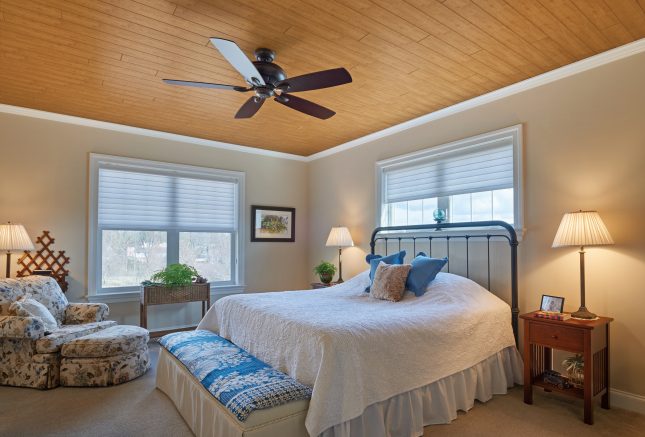
PVC Wood Ceiling Panels Color Options Interlocking Styles and How to Choose
When buyers search for pvc wood ceiling panels, they are usually looking for a ceiling finish that combines the warm appearance of wood with the practical benefits commonly associated with PVC ceiling systems. In many cases, they also compare related searches such as ceiling panel pvc design, color pvc ceiling panels, and interlocking pvc ceiling panels while deciding which style and installation format best fits the project. Public manufacturer pages show that wood-look PVC options, multiple color choices, and interlocking wall and ceiling systems are all active product directions in the market.
What are pvc wood ceiling panels
PVC wood ceiling panels are decorative ceiling panels designed to give a wood-inspired appearance while using PVC as the core material. Product examples in the market include rustic wood-grain collections for interior wall and ceiling use, alongside broader PVC ceiling systems positioned around easy cleaning, low maintenance, and interior durability. That combination is why this keyword appeals to both design-focused buyers and practical project buyers.
Why buyers like pvc wood ceiling panels
The main appeal of pvc wood ceiling panels is visual balance. Buyers often want the warmth and texture associated with wood ceilings, but they also compare materials based on upkeep, installation convenience, and consistency across larger projects. Public product pages for PVC wall and ceiling boards frequently emphasize lightweight construction, easy cleaning, and low maintenance, which helps explain why wood-look PVC panels are attractive in bathrooms, kitchens, utility rooms, shops, and other interiors.
How ceiling panel pvc design affects the buying decision
The phrase ceiling panel pvc design usually reflects a design-first search intent. The buyer is no longer asking only what material to use. They are also thinking about how the ceiling contributes to the look of the entire room. A wood-look ceiling can make a space feel warmer and more decorative, while simpler PVC ceiling finishes are often chosen for a cleaner or more modern result. That is why strong content should explain both appearance and function, not just product dimensions.
Why color pvc ceiling panels matter
Many buyers do not stop at “wood look” alone. They also compare broader finish and tone options, which is where color pvc ceiling panels becomes important. Manufacturer pages show that PVC wall and ceiling systems are sold in multiple finish directions, including wood-grain looks as well as white and gray panel options. Trusscore specifically highlights white and gray panels for higher light reflectivity, which can help smaller or darker spaces feel brighter.
For sellers, this means color should be treated as a real conversion factor. Some buyers want a wood-look finish to create warmth, while others want white or gray panels for a brighter, cleaner ceiling design. A good product page should help the user connect panel color with room style, lighting, and project purpose.
Why interlocking pvc ceiling panels are popular
The phrase interlocking pvc ceiling panels usually signals a buyer who is already thinking about installation efficiency and finished appearance. Public product pages show that many PVC ceiling and wall systems use interlocking or tongue-and-groove style designs, often with hidden fasteners and matching trims. Suppliers position these systems as faster to install, easier to clean, and more seamless in appearance than more basic panel formats.
This matters because installation format can influence the buying decision almost as much as style. A wood-look finish may attract attention first, but an interlocking system often makes the product more appealing for contractors, distributors, and project buyers who care about speed, consistency, and a more finished final result.
Common applications for pvc wood ceiling panels
Because this category combines decorative style with practical positioning, pvc wood ceiling panels can fit a wide range of interior projects. Marketed use cases for PVC wall and ceiling systems commonly include residential interiors, bathrooms, kitchens, utility spaces, commercial rooms, and other areas where easy cleaning and moisture resistance matter. Exact suitability still depends on the specific product specification, so buyers should compare the intended use with the supplier’s documentation before ordering.
How to choose the right pvc wood ceiling panels
Start with the visual goal. If the project needs warmth and texture, a wood-look finish may be the best fit. If brightness and simplicity matter more, a lighter color PVC ceiling panel may work better. Then compare the installation system. If the buyer wants a cleaner finish and easier fitting, an interlocking or tongue-and-groove format may be more suitable than a basic flat panel. Finally, confirm size, thickness, trims, and the supplier’s intended application guidance before placing the order.
Final thoughts
The value of pvc wood ceiling panels is not only in the wood-style appearance. It is in how well the product combines design, practicality, and installation convenience. Whether a buyer searches for ceiling panel pvc design, color pvc ceiling panels, or interlocking pvc ceiling panels, the core goal is usually the same: they want a ceiling solution that looks better, fits the room, and works well in real projects.